
One of the most common questions patients ask once they’ve started orthodontic treatment is simple: when will I actually start to see a difference? It’s a fair thing to wonder, especially in the early weeks when everything feels new and progress isn’t always obvious in the mirror.
The honest answer is that it varies — but there are some reasonably predictable patterns, whether you’re wearing braces or working through a series of Invisalign aligners. This article walks through what typically happens, month by month, and what influences how quickly your own results appear.
How Tooth Movement Actually Happens
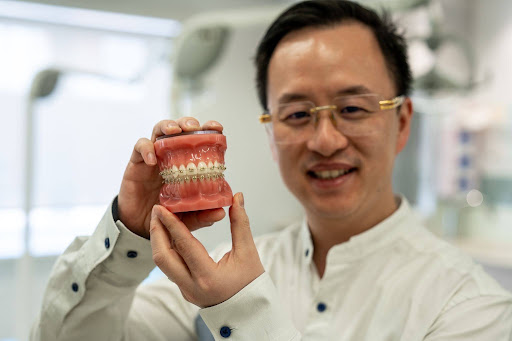
With braces
Braces work by applying constant, gentle pressure to the teeth through brackets and wires. That pressure encourages the bone surrounding the tooth root to remodel gradually, allowing the tooth to shift into a new position over time. It’s a slow, biological process — not something that happens overnight, even though the appliance itself is fixed in place from day one.
With clear aligners
Clear aligners work on the same biological principle, but the pressure is delivered differently. Each aligner in the series is shaped slightly ahead of where your teeth currently sit, nudging them a small amount before you move on to the next one in the sequence — usually after about two weeks. The cumulative effect across many aligners is what produces the overall movement.
In both cases, the visible result is the end product of a steady, ongoing process happening beneath the surface, which is why patience is needed.
Typical Results Timeline
While every case is different, most patients notice a fairly consistent pattern of progress:
| Timeframe | What’s typically happening |
|---|---|
| First 2–4 weeks | Teeth begin shifting; mild tenderness or pressure is common; visible change is minimal. |
| 1–3 months | Early movement becomes noticeable, particularly with spacing and minor rotations. |
| 3–6 months | More visible alignment changes; crowding and gaps start to resolve more clearly. |
| 6–12 months | Significant improvement is typically visible; bite changes may start to show. |
| 12 months+ | Fine-tuning and finishing adjustments; many cases approach their final result. |
These ranges are general guides rather than guarantees — your orthodontist will give you a more specific picture based on your individual treatment plan.
Factors That Affect Timing
A number of things influence how quickly results become visible and how long treatment takes overall:
- Case complexity. Mild crowding or spacing typically shows progress faster than cases involving significant bite correction or jaw alignment.
- Treatment compliance. With aligners in particular, wearing them for the recommended 20–22 hours a day has a direct effect on how closely actual progress matches the planned timeline. The Australian Dental Association notes that inconsistent aligner wear is one of the most common reasons treatment takes longer than initially planned (ada.org.au).
- Age. Younger patients, particularly children and teenagers whose jaws are still developing, often see movement happen somewhat more readily than adults, though this varies by individual.
- Type of appliance. Different systems move teeth at different rates depending on the mechanics involved — your orthodontist will explain what to expect for your specific treatment.
- Attendance at adjustment appointments. Regular check-ins allow your orthodontist to fine-tune the plan and keep treatment on track. Missed or delayed appointments can slow overall progress.
- Individual biological response. Bone remodels at different rates from person to person, which is part of the reason why two patients with similar starting points can have slightly different timelines.
Staying Motivated When Progress Feels Slow
It’s completely normal to feel as if progress has stalled at some point during treatment—particularly around the middle stretch, when the early excitement has worn off but the finishing stages still feel a long way away. This is one of the more psychologically tricky parts of orthodontic treatment, for teens and adults alike.
A few things can help. Photos taken every few weeks, rather than relying on memory or the mirror, often reveal more change than it seems day to day. It also helps to remember that some of the most important movement — particularly bite correction — happens beneath the surface and isn’t always visible even when it’s progressing well.
The Australian Institute of Health and Welfare highlights that oral health treatment outcomes are closely linked to consistent patient engagement over the course of treatment, which is a useful reminder that the things you control — wear time, attendance, hygiene — genuinely do make a difference to how smoothly things progress (aihw.gov.au).
If you’d like to see what realistic progress looks like in practice, Dr Conroy from Smile Team shared a short video showing how a typical case develops over the course of treatment. It’s a helpful, honest look at the kind of timeline most patients can expect: https://www.instagram.com/p/DYRQ1IbGv8l/
View this post on Instagram
When to Flag Concerns to Your Orthodontist
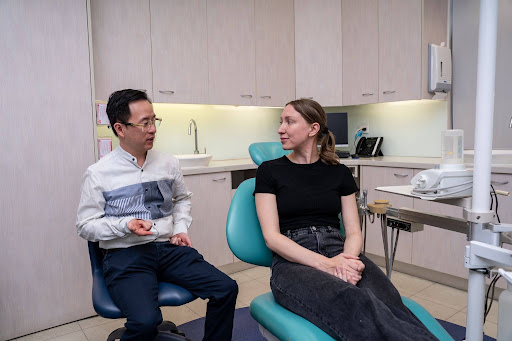
While some unevenness in pace is normal, there are situations worth raising with your orthodontist rather than simply waiting out:
- Treatment feels like it has completely stalled for several months with no noticeable change at all
- Persistent pain that doesn’t settle within a few days of an adjustment or new aligner
- A bracket, wire, or aligner that feels loose, broken, or doesn’t fit as expected
- Visible movement that seems to be going in an unexpected direction
- Ongoing difficulty wearing aligners for the recommended hours, despite trying to stick to the schedule
Raising any of these early means your orthodontist can adjust the plan promptly, rather than letting a small issue affect the overall timeline.