

Metal braces remain one of the most reliable orthodontic treatments available today. Despite the rise of newer options such as Invisalign clear aligners, ceramic braces, and lingual braces, traditional metal braces remain a major tool for correcting a wide range of dental concerns. Their strength, precision, and versatility make them the preferred approach for cases that require controlled, predictable tooth movement.
This guide explores how metal braces work, who they are suitable for, and what you can realistically expect throughout treatment. It draws on widely recognised orthodontic principles to give you an objective, detailed understanding, helping you decide whether metal braces may be the right option for your situation.
What Are Metal Braces?
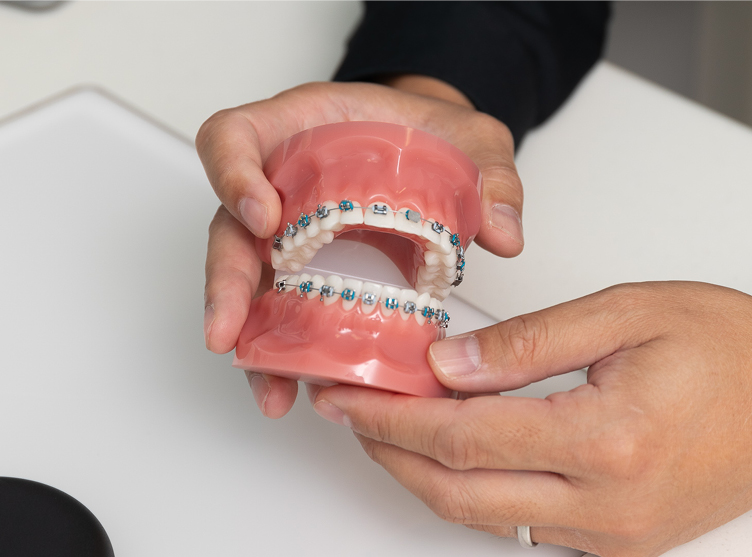
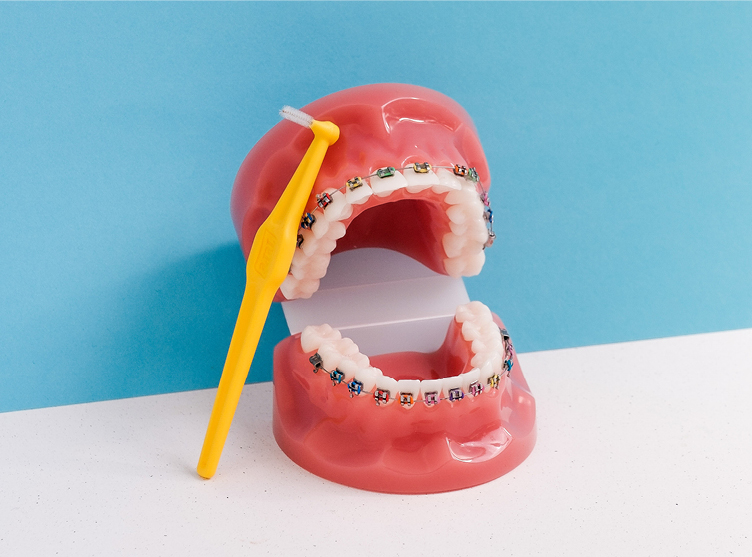
Metal braces are fixed orthodontic appliances that apply controlled forces to gradually move teeth. They consist of several key components:
Brackets
Small metal attachments are bonded to each tooth. Modern brackets are low-profile, durable, and designed to hold the archwire.
Archwires
Thin metal wires that run through each bracket. These wires apply gentle pressure to guide teeth into new positions. Treatment usually progresses from flexible nickel–titanium wires to stronger stainless-steel wires as alignment improves.
Ligatures or Elastic Bands
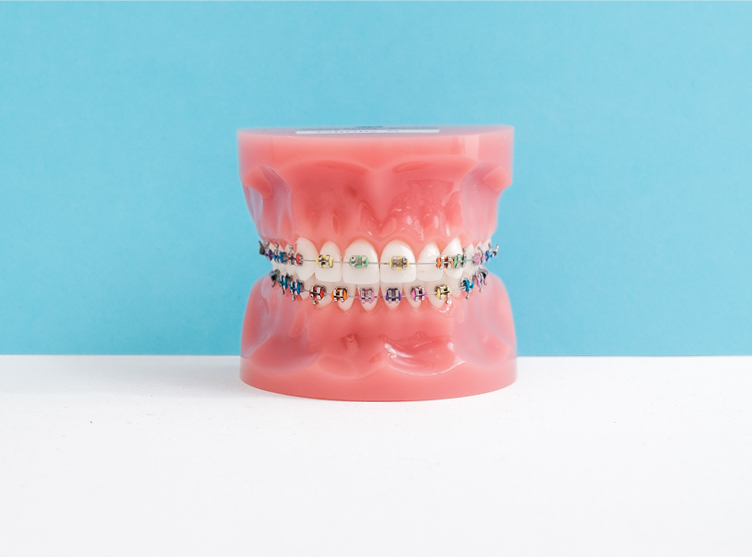
Small elastics that secure the archwire in place. These come in a wide range of colours and are replaced at each adjustment appointment.
Molar Bands and Hooks
In some cases, additional components, such as small hooks or bands around the back teeth, are used to correct bite-related issues or to support elastics.
Together, these components form a fixed appliance system that can deliver highly precise tooth movement. Unlike removable options, metal braces work continuously, ensuring consistent forces and predictable progress.
How Metal Braces Move Teeth
Orthodontic tooth movement follows a biological process. When gentle pressure is applied to a tooth, the bone on one side compresses while the bone on the opposite side remodels. This allows teeth to shift gradually while maintaining stability.
Metal braces enable:
- Rotational control (ideal for severely rotated teeth)
- Vertical movement (for deep bites or open bites)
- Torque and root positioning
- Arch development
- Comprehensive bite correction
These capabilities make metal braces particularly effective for complex or multi-layered orthodontic needs.
Who Are Metal Braces Suitable For?
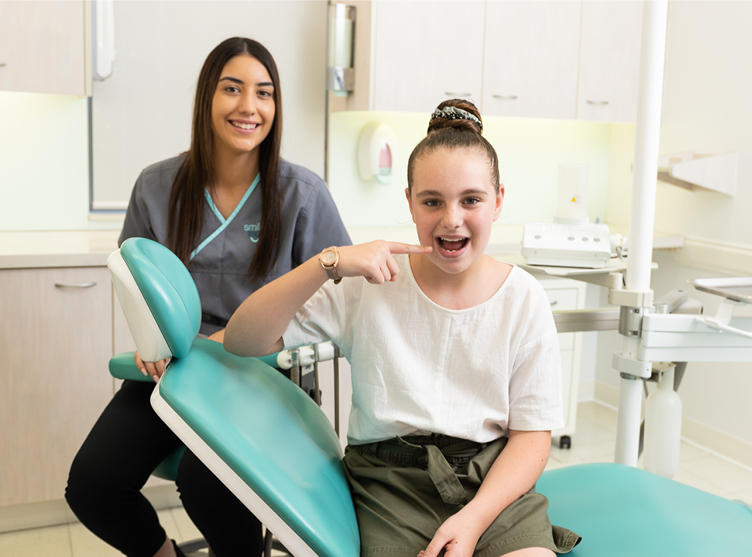
Metal braces are suitable for a wide range of patients including children, teens, and adults. Because they offer unmatched control and adaptability.
They are particularly helpful for:
1. Crowding or Spacing Issues
Severe crowding often requires complex movement that fixed braces handle more effectively than removable options.
2. Bite Problems
Conditions such as overbite, underbite, crossbite, or open bite often require the precision and force control that metal braces provide.
3. Tooth Rotations and Angulations
Metal braces allow orthodontists to manage root positioning more accurately, which is harder to achieve with aligners alone.
4. Cases Involving Erupted, Impacted, or Misaligned Teeth
Metal braces make it easier to guide teeth into correct alignment when eruption patterns are irregular.
5. Patients Requiring Maximum Predictability
Because the appliance is fixed, treatment progress does not depend on patient compliance. This makes metal braces a practical option for younger patients or anyone who may forget to wear removable aligners consistently.
An orthodontic consultation, including photographs, X-rays, and digital scans, is essential to determine whether metal braces are the best option for your specific needs.
Benefits of Metal Braces
Metal braces offer several advantages beyond being a long-established orthodontic method.
1. High Level of Control
The ability to make small, precise adjustments enables orthodontists to guide teeth more effectively, particularly in challenging cases.
2. Versatility
Metal braces can treat mild, moderate, and complex concerns. Not all orthodontic systems (especially removable ones) can match this range.
3. Predictability
Because metal braces are fixed, they work continuously. This consistent force application improves predictability from the start of treatment to the finishing stages.
4. Durability
Stainless-steel brackets are strong and resistant to breakage. This reduces unexpected appliance failures.
5. Treatment Efficiency
Metal braces often allow faster correction in cases that require significant movement. While not universally “faster”, they are more efficient for particular types of misalignment.
6. Suitability for All Ages
Whether addressing early orthodontic issues in children or more complex alignment concerns in adults, metal braces remain a dependable option.
These strengths explain why metal braces remain a core treatment modality in orthodontic practice, despite modern alternatives.
Choosing Colours for Metal Braces
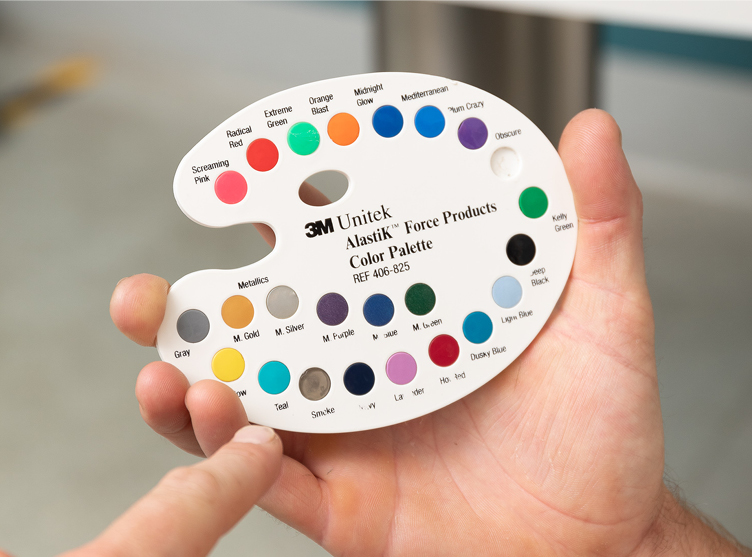
Coloured elastic ligatures are a popular feature of metal braces. While the brackets themselves are silver, patients can personalise their elastics at each appointment.
Popular Colour Choices:
- Blue, purple, teal: Vibrant and eye-catching
- Grey, silver, black: Subtle and low-maintenance
- Seasonal tones: Reds for holidays, pastels for spring
- Neutral colours: Less prone to staining compared with white or clear elastics
Choosing colours is optional, but it can be a fun way to personalise the treatment experience, especially for younger patients.
Cost of Metal Braces
The cost of metal braces depends on several factors, including:
- The complexity of the orthodontic case
- How long treatment is expected to take
- Whether additional appliances are needed
- Diagnostic records and follow-up appointments
- Retention (removable retainers after treatment)
While costs vary across Australia, metal braces often fall within the general range of AUD $5,000 to $9,000, depending on individual needs. An orthodontic assessment is required to provide a more accurate estimate.
Disadvantages of Metal Braces
Although metal braces are highly effective orthodontic options, they also have certain limitations. Understanding these helps set realistic expectations throughout treatment.
1. Visibility
Metal braces are more noticeable than ceramic braces or clear aligners. While many patients do not mind the visibility, others, particularly adults in client-facing roles, may prefer a more discreet option.
2. Food Restrictions
Because metal braces are fixed and contain brackets and wires, certain foods are best avoided. Hard or sticky foods can break brackets, distort wires, or cause discomfort.
Typical foods to limit include:
- Hard lollies
- Chewing gum
- Tough bread crusts
- Whole nuts
- Sticky sweets
3. Potential Irritation
Brackets and wires can sometimes rub against the inner cheeks or lips, particularly in the early stages of treatment. Orthodontic wax can help ease irritation.
4. Cleaning Challenges
Metal braces require thorough cleaning habits. Food can become trapped around brackets and under the archwire, increasing the importance of brushing, interdental cleaning, and regular check-ups.
5. Appointment Frequency
Metal braces require periodic adjustments. For some patients, this means more frequent visits than they might have with other orthodontic systems.
While these drawbacks exist, most are manageable with good oral-care habits and regular communication with your orthodontic team.
How Long Does Treatment Take With Metal Braces?
Treatment duration varies depending on individual needs, but several general patterns apply.
Typical Treatment Timeline
- Mild cases: Approximately 12–18 months
- Moderate cases: Around 18–24 months
- Complex cases: 24–36 months or longer
Your orthodontist may also recommend additional appliances, such as elastics, bite-correcting springs, or expanders, to support specific goals. These additions can influence overall duration.
Factors That Affect Treatment Length
- Severity of Misalignment
Crowding, rotations, or significant bite discrepancies may require more time. - Growth and Jaw Development
Treating children or adolescents may allow certain corrections to occur more efficiently during growth phases. - Oral Hygiene
Consistent brushing and care help prevent delays caused by inflammation or bracket repairs. - Broken Brackets or Wires
Appliance damage can extend treatment times.
Metal braces are designed to provide predictable movement when used as part of a structured orthodontic plan. Your orthodontist will review progress at each appointment and adjust the wire sequence as needed.
How Painful Are Metal Braces?
It is normal to experience some discomfort after the initial placement of braces or following adjustments. This usually lasts a few days and can feel like pressure or tenderness around specific teeth.
Common Sensations
- Mild aching for 24–72 hours
- Slight soreness when biting down
- Temporary sensitivity
Ways to Ease Discomfort
- Over-the-counter pain relief (if suitable for you)
- Cold compresses
- Soft foods
- Orthodontic wax for areas of irritation
Most patients find that their mouth adapts quickly, and discomfort becomes less noticeable as treatment progresses.
How to Look After Metal Braces
Good oral hygiene and appliance care help prevent delays and keep treatment on track.
Daily Care Recommendations
- Brush after every meal using a soft-bristle toothbrush
- Use interdental brushes to clean around brackets
- Floss daily with a floss threader or orthodontic floss
- Avoid sugary or acidic snacks
- Rinse with water or fluoride mouthwash
- Monitor brackets and wires for looseness
Regular dental check-ups every six months remain important throughout treatment.
Frequently Asked Questions
Do metal braces work faster than other types of braces?
Metal braces can be more efficient for certain movements, such as rotations, vertical corrections, and complex bite issues, because they provide strong, consistent force. However, “faster” depends on the case. Some mild concerns may be addressed just as quickly with clear aligners.
Are metal braces suitable for adults?
Yes. Many adults choose metal braces, especially if they want a predictable solution for moderate to complex alignment or bite issues.
Can metal braces damage my enamel?
Braces themselves do not damage enamel, but poor oral hygiene can. Brushing and cleaning around the brackets is essential to prevent plaque buildup.
What happens if a bracket breaks?
Contact your orthodontist as soon as possible. A loose or broken bracket can disrupt movement and may extend treatment time.
How often will I need adjustments?
Most patients return every 6 to 8 weeks. Some stages may require slightly more frequent visits, depending on the wire sequence and treatment goals.
Will I need rubber bands?
Elastics are commonly used to correct bite issues. Not everyone will need them, but they are a routine part of many orthodontic plans.
Can I still play sports or musical instruments?
Yes. A mouthguard is recommended for contact sports. Brass or woodwind players may need a short adjustment period.
What Happens After Metal Braces Are Removed?
Removal of metal braces marks the beginning of the retention phase. Without proper retention, teeth may gradually shift back toward their original positions.
Retainers After Braces
Most patients receive:
- A removable retainer (worn nightly or as instructed)
- Sometimes, a bonded retainer behind the front teeth
Retainers help maintain the new tooth positions while the bone and gum tissues stabilise.
How Long Are Retainers Needed?
Retainers are part of long-term care. The general rule is:
“Teeth stay straight for as long as retainers are worn.”
Your orthodontist will guide you through a personalised retention plan.
Are Metal Braces Still Worth Considering?
Metal braces remain a dependable option for treating a wide range of orthodontic needs. They offer precise control, predictable movement, and reliability in even the most challenging cases. While more discreet options exist, metal braces remain a strong solution when complex correction, bite management, or high treatment accuracy is required.
Conclusion
Metal braces have evolved significantly over the years, now offering a streamlined and efficient approach to teeth alignment and bite correction. Their strength, versatility, and predictable performance make them a dependable choice for patients of all ages, particularly those who require detailed, controlled movement that other systems may not achieve as effectively.
If you are exploring orthodontic options and want clarity on whether metal braces are well-suited to your needs, a comprehensive consultation is the best next step. The team at Smile Team can review your dental goals, assess the complexity of your bite, and guide you through the considerations involved in choosing a treatment path.
With professional support from the orthodontic specialists at Smile Team, you can make an informed decision and move confidently toward a healthier, well-aligned smile.