
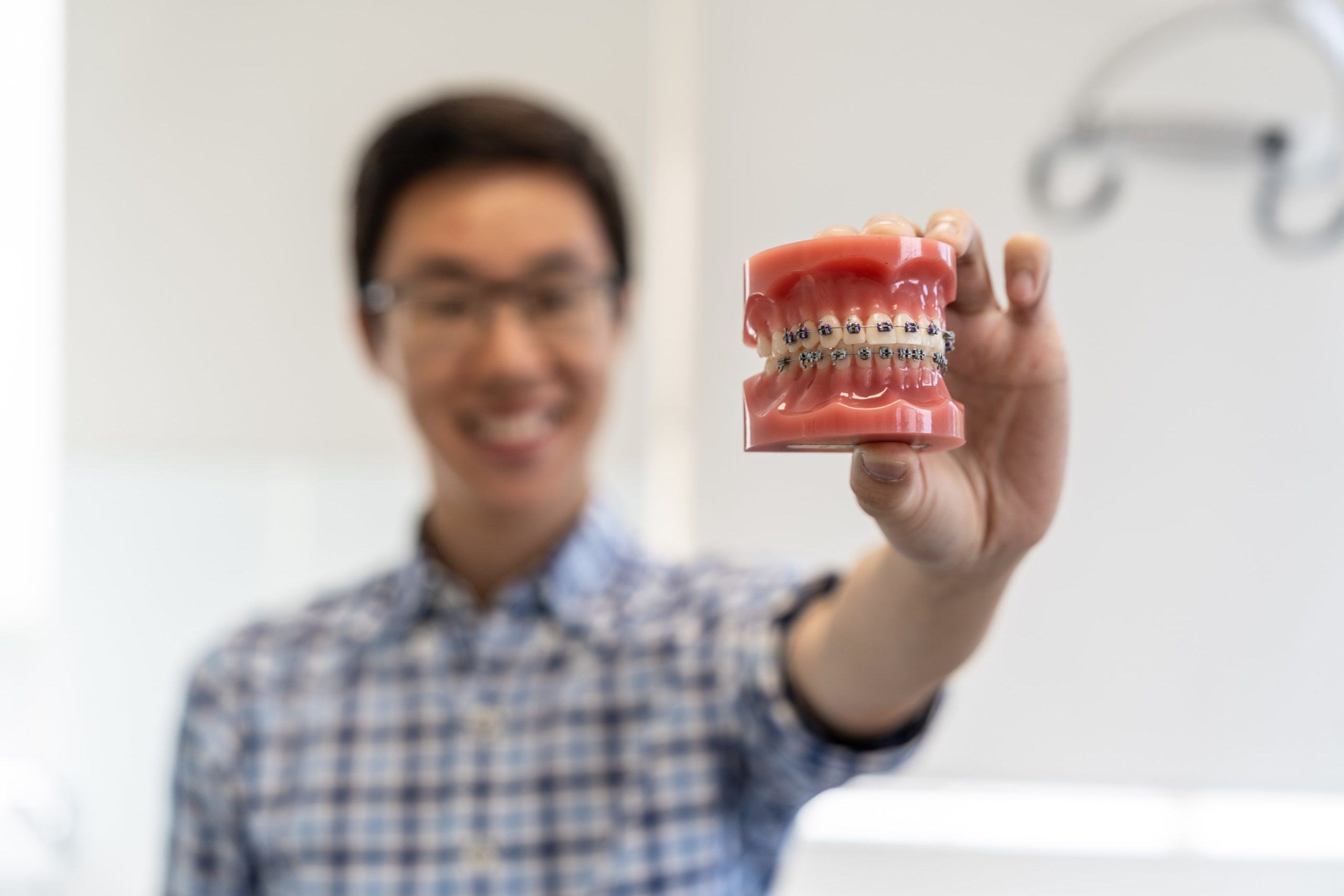
If you’re wearing braces, protecting your teeth isn’t just about brushing and flossing anymore. One unexpected knock—whether during sport or even a simple fall—can damage brackets, bend wires, or cause painful cuts inside your mouth.
That’s where a properly designed mouthguard for braces comes in. Unlike regular mouthguards, these are built to work around brackets and wires, offering protection without interfering with your orthodontic treatment.
From experience, one of the most common issues orthodontic patients face is preventable damage during physical activity. A well-fitted braces mouth guard acts as a buffer, helping reduce the risk of injury and avoiding unnecessary delays in treatment.
If you’re unsure whether you need one, what type to choose, or how it affects your braces, this guide will walk you through everything clearly.
What Is a Mouthguard for Braces?
A mouthguard for braces is a protective dental appliance designed to fit over teeth that are undergoing orthodontic treatment. It covers brackets and wires, helping to absorb impact and reduce injury risk.
Unlike standard mouthguards, these are made from flexible materials that can adapt as your teeth shift over time. This is important, because teeth are constantly moving during orthodontic treatment, and a rigid guard could quickly become uncomfortable or ineffective.
Its main purpose is simple:
- Protect your teeth from impact
- Prevent damage to brackets and wires
- Reduce the risk of cuts and injuries inside the mouth
In short, it helps keep your treatment on track.
Braces Mouth Guard vs Regular Mouthguard: What’s the Difference?
This is where many people get it wrong.
A regular mouthguard might seem like it does the same job—but with braces, it can actually cause more problems than it solves.
Here’s why:
Fit
Regular mouthguards are designed for stable teeth. Braces involve constant movement, so they can quickly become too tight or misaligned.
Material
Braces-compatible mouthguards use softer, adaptive materials that won’t press against brackets.
Safety
A standard mouthguard can push against brackets during impact, increasing the risk of breakage or injury.
If you’re wearing braces, using a regular mouthguard is not recommended.
Who Should Use a Braces Mouth Guard?
Not everyone with braces needs one all the time—but in certain situations, it becomes essential.
You should strongly consider using a mouthguard if you:
- Play contact sports such as football, rugby, basketball, or martial arts
- Participate in activities where falls or collisions are possible
- Grind your teeth (bruxism)
- Have recently had your braces adjusted
For children and teenagers involved in sports, mouthguards are often considered a basic safety requirement rather than an optional extra.
Why You Should Use a Mouthguard with Braces

Protects Brackets and Wires
Braces are not indestructible. Even a minor impact can loosen a bracket or bend a wire, which may require urgent repair and delay your treatment.
Sports-related dental injuries are common, and largely preventable with proper protection.
Prevents Cuts and Mouth Injuries
Brackets and wires can become sharp contact points during impact. Without protection, they can cut into your lips, cheeks, or tongue.
A mouthguard creates a protective barrier, reducing the likelihood of painful injuries.
Reduces Treatment Delays
Every broken bracket or damaged wire can slow down your progress. Wearing a mouthguard helps avoid unnecessary interruptions.
Helps Manage Teeth Grinding
If you grind your teeth at night, a braces-compatible mouthguard may help reduce pressure. However, this should always be discussed with your orthodontist first to ensure it won’t interfere with treatment.
Types of Mouthguards for Braces
Choosing the right type can make a big difference in comfort and protection.
Stock Mouthguards
These are pre-made and ready to use straight out of the package.
- Cheapest option
- Poor fit
- Limited protection
They are generally not recommended for braces.
Boil-and-Bite Mouthguards
These are softened in hot water and moulded to your teeth.
- Better fit than stock
- More adaptable
- Suitable for light sports
They are a practical option for occasional use.
Custom-Made Mouthguards
These are made by a dental professional based on your exact dental structure.
- Best fit and comfort
- Highest level of protection
- Designed specifically for braces
If you regularly play contact sports, this is usually the safest choice.
How to Choose the Right Mouthguard for Braces
Not all mouthguards are equal, and choosing the wrong one can lead to discomfort—or worse, damage.
Fit and Comfort
A good mouthguard should:
- Cover all teeth and brackets fully
- Stay in place without constant adjustment
- Allow you to breathe and speak comfortably
If it feels bulky, tight, or unstable, it’s not the right fit.
Material
Different materials offer different benefits:
- Silicone: Soft and comfortable
- Thermoplastic: Mouldable and adaptable
- Dual-layer designs: Balance comfort and impact protection
Avoid rigid materials that may press against brackets.
Activity Level
Think about how you’ll use it:
- Light activity → boil-and-bite may be enough
- High-impact sports → custom-made is strongly recommended
- Night use → requires professional advice
Safety Standards
Look for products aligned with recognised guidelines, such as those from Sports Medicine Australia.
This helps ensure the mouthguard is safe and suitable for use.
How to Properly Use a Mouthguard with Braces

Using a mouthguard correctly is just as important as choosing the right one. A poor fit or incorrect use can reduce its effectiveness and even cause discomfort.
Follow these steps:
- Rinse the mouthguard with cold water before placing it in your mouth
- Position it over your upper teeth, ensuring it fully covers your brackets
- Bite down gently to secure it—avoid forcing it into place
- Check that it feels stable and does not shift easily
After use:
- Rinse it thoroughly
- Allow it to air dry
- Store it in a ventilated case
Avoid using hot water, as it can warp the material and affect the fit.
Mouthguard Maintenance: What Most People Overlook
A mouthguard sits in a warm, moist environment—making it a breeding ground for bacteria if not cleaned properly.
Daily Cleaning
- Wash with lukewarm water and mild soap
- Avoid toothpaste, as it can be too abrasive
- Rinse thoroughly before and after use
Weekly Deep Cleaning
- Use a dental appliance cleaner or soaking solution
- Let it soak as directed, then rinse well
Storage Tips
- Always store in a ventilated container
- Keep away from heat and direct sunlight
- Never wrap it in tissue or leave it exposed
Poor hygiene can lead to odour, discolouration, and even oral health issues.
How Much Does a Mouthguard for Braces Cost in Australia?
The cost varies depending on the type and level of protection:
- Stock mouthguards: $5 to $20
- Boil-and-bite mouthguards: $20 to $60
- Custom-made mouthguards: $180 to $500 or more
While cheaper options are available, they often compromise on fit and durability.
In many cases, investing in a better-quality mouthguard can help you avoid additional costs from damaged braces or emergency dental visits.
Can You Sleep with a Mouthguard for Braces?
Yes, but only if it’s specifically designed for orthodontic use.
If you grind your teeth at night (bruxism), a mouthguard may help reduce pressure on both your teeth and braces. However, not all mouthguards are suitable for overnight wear.
Some may interfere with tooth movement if they are too rigid or poorly fitted.
If you’re considering wearing one while sleeping, it’s best to consult your orthodontist first.
How Often Should You Replace Your Mouthguard?
A mouthguard is not a long-term, one-time purchase. It needs to be replaced regularly to remain effective.
As a general guide:
- Replace every 6 to 12 months
- Replace sooner if there are visible signs of wear
Watch out for:
- Cracks or thinning areas
- Loss of shape
- Reduced comfort or looseness
Because your teeth are constantly shifting during orthodontic treatment, the fit may change over time.
Do Mouthguards Affect Orthodontic Treatment?
This is one of the most common concerns—and understandably so.
A properly fitted braces mouth guard will not interfere with your treatment. In fact, it helps protect the progress you’ve already made.
It does not:
- Move your teeth
- Disrupt alignment
- Affect how braces work
However, poorly fitted or overly rigid mouthguards may apply pressure where they shouldn’t. This is why choosing the right type is essential.
Frequently Asked Questions
Can I use a normal mouthguard with braces?
No. Regular mouthguards are not designed to accommodate brackets and wires. They may cause discomfort and increase the risk of damage.
Do I need a mouthguard if I don’t play sports?
Not always, but it may still be useful if you grind your teeth or are prone to accidental impacts.
Is a custom mouthguard worth it?
For anyone involved in contact sports, yes. It offers better fit, comfort, and protection compared to over-the-counter options.
Should I wear a mouthguard on both upper and lower teeth?
Most mouthguards are designed for the upper teeth, but your orthodontist may recommend a different setup depending on your situation.
Can a mouthguard move my teeth?
No, not if it’s properly designed for braces. A poorly fitted one, however, may apply pressure—so fit matters.
Final Thoughts: Is a Braces Mouth Guard Really Necessary?
If you’re wearing braces, a mouthguard is one of the simplest ways to protect your progress.
Orthodontic treatment takes time, consistency, and investment. The last thing you want is a preventable setback caused by an avoidable injury.
Whether you’re playing sport, managing teeth grinding, or simply being cautious, the right mouthguard can make a noticeable difference.
If you’re unsure which option suits you best, consider seeking advice from a qualified dental professional. Making the right choice early on can save you time, discomfort, and additional costs later.