
Braces Treatment: Straightening Teeth with Orthodontic Braces
Braces are a well-established orthodontic treatment used to straighten teeth, improve bite alignment, and support long-term oral health, whether concerns are cosmetic, functional, or related to everyday comfort. Braces work by gradually guiding teeth into more balanced positions over time.
Modern orthodontic treatment offers options for children, teens, and adults, designed to fit different lifestyles and treatment goals. Every smile is unique, which is why a personalised assessment is the first step in choosing the braces option that works best for you.
What Are Braces?
Braces are orthodontic appliances designed to correct misaligned teeth and bite irregularities. They typically consist of small brackets attached to the teeth, connected by wires that apply gentle, controlled pressure. Over time, this pressure encourages teeth to move into healthier, more aligned positions.
Braces can help address a wide range of orthodontic concerns, including crowding, spacing issues, and uneven bites. Beyond improving the appearance of a smile, properly aligned teeth are often easier to clean and maintain, supporting long-term dental health.
Who Can Benefit from Braces Treatment?
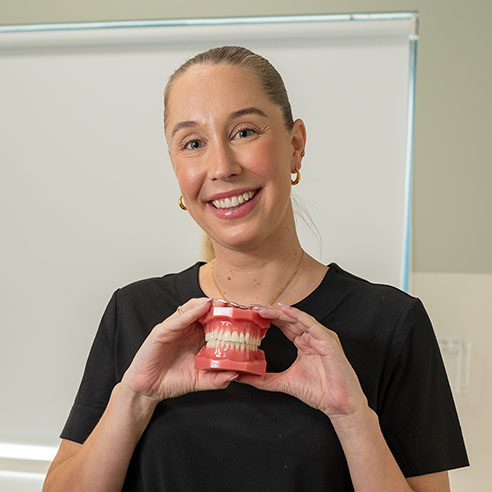
Braces can benefit anyone looking to improve the appearance, function, or comfort of their smile at any age. Many adults seek treatment after noticing changes in alignment or bite, while younger patients often start around growth milestones.
Signs Braces May Be Recommended
You might consider braces if you notice:
- Crowded, overlapping, or twisted teeth
- Gaps or uneven spacing between teeth
- Difficulty biting or chewing comfortably
- Overbite, underbite, crossbite, or open bite
- Teeth that are difficult to clean due to alignment
- Jaw tension or discomfort linked to bite imbalance
Only a professional orthodontic assessment can determine whether braces are appropriate, but these signs often prompt people to seek advice.
Braces for Different Age Groups
Braces can be suitable at various stages of life:
- Children and teenagers: Orthodontic treatment is often timed around growth and development, allowing for guided correction as the jaws mature.
- Adults: Braces remain a common and effective option, with treatment planned around fully developed bone structure and existing dental work.
Age alone does not determine suitability — individual dental health and alignment are far more important factors.
Types of braces available
There are several types of braces available today, each designed to suit different needs and preferences. During a consultation, options are discussed based on treatment goals, complexity, and lifestyle considerations.
Metal Braces
Metal braces are the most traditional form of orthodontic treatment. They are known for their durability and effectiveness in treating a wide range of alignment and bite concerns. Modern metal braces are smaller and more comfortable than earlier designs.
Ceramic Braces
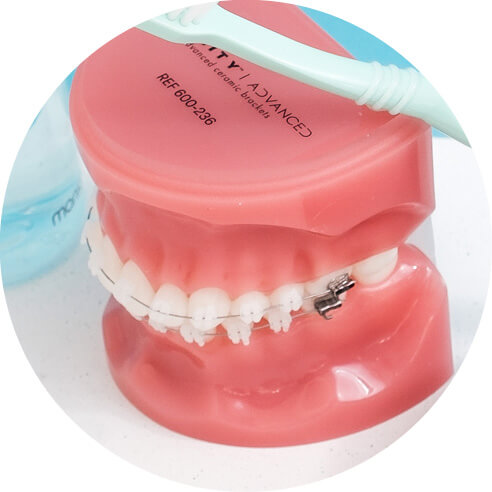
Ceramic braces function in a similar way to metal braces but use tooth-coloured brackets that blend in more naturally with the teeth. They are often chosen by individuals who prefer a less noticeable appearance while still benefiting from the stability of fixed braces.
Clear/Removable Braces Options
Some orthodontic cases may be suitable for removable brace systems. These options are designed to be less visible and can sometimes be removed for eating and cleaning. They are best for mild to moderate alignment needs and patients comfortable with daily wear routines.
How Braces Treatment Works
While every treatment plan is personalised, braces generally follow a clear and structured process from start to finish.
Initial Consultation and Assessment
The first step involves a detailed orthodontic assessment. This may include visual examination, imaging, and discussion of concerns and goals. Based on this information, suitable treatment options and timeframes are outlined.
Fitting the Braces
Once a treatment plan is agreed upon, the braces are fitted. Brackets are bonded to the teeth, and an archwire is placed to guide movement. This appointment is usually straightforward, though some initial tightness or pressure is normal as teeth begin to adjust.
Ongoing Adjustments and Monitoring
Regular review appointments are scheduled to adjust the braces and monitor progress. These visits allow the orthodontist to guide tooth movement gradually and address any concerns along the way. Consistency with appointments plays an important role in achieving the desired outcome.
How Long Do Braces Usually Take?
The length of braces treatment varies from person to person. Many treatments fall within a general range, but several factors influence how long braces are worn, including:
- The complexity of tooth and bite alignment
- The type of braces used
- Age and biological response to tooth movement
- Attendance at adjustment appointments
- Care and compliance during treatment
A personalised estimate is provided during consultation, as treatment duration cannot be accurately predicted without assessment.
Cost of Braces Treatment
The cost of braces depends on several factors, such as:
- The type of braces selected
- The complexity of the orthodontic issues being addressed
- The estimated length of treatment
Because every case is different, costs are discussed during consultation after an appropriate assessment. This ensures recommendations are tailored rather than generalised.
Caring for Your Teeth During Braces
Good oral care is especially important during braces treatment. Brackets and wires can trap food and plaque more easily, making thorough cleaning essential.
General care considerations include:
- Maintaining consistent brushing and flossing routines
- Being mindful of foods that may damage brackets or wires
- Attending scheduled review appointments
Clear guidance is provided during treatment to help protect both teeth and braces.
Results and Life After Braces
Expected Outcomes
Braces aim to improve tooth alignment, balance the bite, and enhance overall oral function. Many people notice not only aesthetic improvements but also better comfort when chewing and speaking.
Retainers After Braces
After braces are removed, retainers are commonly recommended to help maintain the new alignment. Teeth can naturally shift over time, so retainers play an important role in preserving treatment results.
Book a Consultation with Smile Team
Choosing orthodontic treatment is an important decision that goes beyond aesthetics. Braces can help improve bite function, oral health, and long-term dental stability when clinically appropriate.
At Smile Team, an orthodontic consultation focuses on understanding your dental concerns, assessing alignment and bite issues, and explaining suitable treatment options. This allows you to make an informed decision about whether braces or alternative orthodontic approaches are appropriate for your needs and lifestyle.
If you are considering braces, booking an orthodontic assessment is the first step in understanding what treatment may involve and whether it is suitable for you.
Frequently Asked Questions About Braces
Are braces painful?
Some pressure or discomfort is common after adjustments, particularly in the early stages. This usually settles as the mouth adapts.
Can adults still get braces?
Yes. Braces are commonly used by adults, and can be planned around existing dental work and lifestyle considerations.
How often are adjustment appointments needed?
Appointments are typically scheduled every few weeks, depending on the treatment plan.
What happens if a bracket breaks?
If a bracket or wire becomes loose, it’s important to contact the clinic so it can be addressed promptly.
Are there alternatives to traditional braces?
Depending on the case, alternative orthodontic options may be discussed during consultation.
Book your assessment
Please complete the booking form below and we will be in touch to arrange your assessment.